
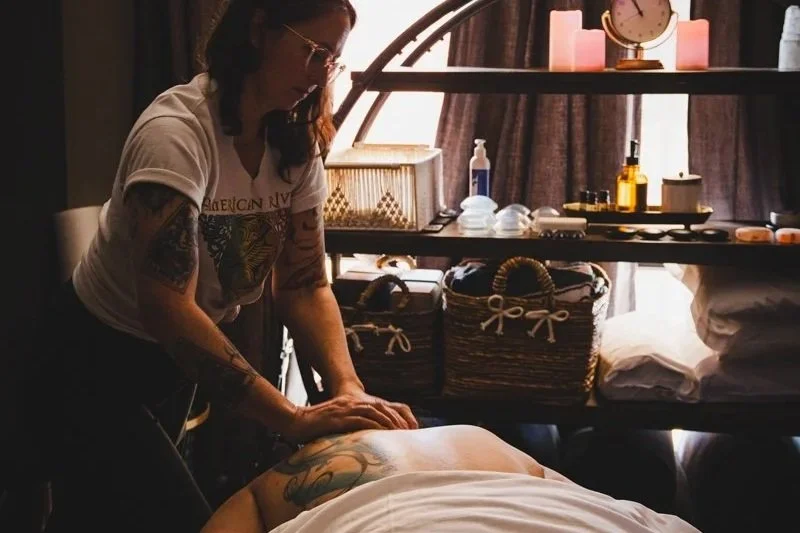
Benefits of Massage Therapy — What It Can Do, What It Can’t, and Common Myths
Massage therapy is one of the most widely used complementary health practices. At Ritual Therapeutics, we blend clinical application with a relaxed, restorative experience to help clients recover from injury, manage chronic pain, and reduce stress. Our approach is simple: combine clinical expertise with a soothing touch so you leave feeling lighter, less tense, and more like yourself. This post outlines evidence-based benefits of massage, realistic expectations about its limits, and common myths and contraindications to keep in mind.
If you’ve been living with pain, recovering from an injury, or simply overdue for self-care, come see why our clients tell us they feel like themselves again after a session. We’re here to listen, treat, and help you move forward - one thoughtful treatment at a time. Massage therapy offers measurable, science-based benefits that go well beyond momentary relaxation. Research shows that regular therapeutic massage can reduce chronic pain, improve mobility, and support recovery from injury by targeting soft tissue dysfunction, lowering muscle tension, and enhancing circulation. For people with conditions such as low back pain, neck pain, and osteoarthritis, massage has been demonstrated to reduce pain intensity and improve function comparable to other conservative treatments, especially when combined with exercise and movement therapies.
At the physiological level, massage stimulates mechanoreceptors in skin and muscle, which can modulate pain signaling through the nervous system. This activation helps dampen nociceptive input to the spinal cord and brain, producing an analgesic effect. Massage also influences autonomic nervous system balance, increasing parasympathetic activity and lowering sympathetic arousal. These shifts are associated with decreased heart rate, reduced blood pressure, and a calmer stress response, outcomes that benefit both mental and physical health.
Circulatory and lymphatic effects from manipulation of soft tissues further support healing. Improved blood flow brings oxygen and nutrients to injured or inflamed tissues while promoting removal of metabolic waste products. Enhanced lymphatic drainage can reduce localized swelling and support immune function. For athletes and those recovering from repetitive strain, targeted modalities like deep tissue work, cupping, and myofascial release help break up adhesions and scar tissue, restore tissue extensibility, and allow for more efficient movement patterns.
Beyond the mechanical and circulatory mechanisms, massage triggers hormonal and biochemical changes that influence mood and recovery. Sessions often lead to reductions in cortisol, a stress hormone linked to inflammation and impaired healing, along with increases in neurotransmitters and hormones associated with wellbeing, such as serotonin, dopamine, and oxytocin. These neurochemical shifts can improve sleep quality, reduce anxiety, and create a more restorative environment for physical rehabilitation.
Specific techniques yield different therapeutic effects. Deep therapeutic massage targets chronic tension and adhesions in muscle layers to relieve persistent pain and restore mobility. Myofascial release focuses on the fascial network to reduce restrictions that limit joint range of motion. Cupping produces localized negative pressure that can increase blood flow and alter connective tissue mechanics. Hot stone and hot salt stone applications utilize heat to relax tissue, allowing manual therapies to penetrate more effectively. Infrared sauna and halotherapy, while not massage per se, complement hands-on treatments by promoting relaxation, circulation, and respiratory wellbeing.
Evidence supports integrating massage into multimodal care plans for chronic pain and injury recovery. When combined with prescribed exercise, manual therapy can accelerate improvements in strength, flexibility, and functional outcomes. Regularly scheduled sessions help maintain gains achieved through rehabilitation, prevent recurrence of dysfunction, and support long-term self-care. For many patients, the greatest benefits arise from individualized treatment that blends clinical precision with attention to comfort and flow, allowing therapists to both address pathology and facilitate relaxation.
Safety and appropriate dosing remain important. Certified therapists tailor pressure, technique, and session frequency to a person’s health status, pain condition, and recovery stage. While massage is generally safe, conditions such as acute infection, uncontrolled blood clotting disorders, or certain types of recent surgery require medical clearance or adjustments to treatment. Clear communication between client and therapist about symptoms, medical history, and treatment goals ensures effective and safe care.
In sum, massage therapy is grounded in physiological, neurological, and biochemical mechanisms that can meaningfully reduce pain, improve mobility, and support recovery. When used as part of a coordinated rehabilitation or wellness strategy- alongside exercise, medical guidance, and lifestyle measures- massage provides a powerful, evidence-informed tool for managing chronic pain and enhancing overall wellbeing.
Ritual Therapeutics is a high-end, relaxed wellness studio in Auburn, CA, offering therapeutic and relaxation massage, infrared sauna, halotherapy, cupping, hot stone and hot salt stone treatments, and specialized care for chronic pain relief and injury recovery. Our exceptionally experienced therapists blend clinical precision with soothing flow to create personalized sessions that restore function and calm the nervous system. Book your next appointment online, or call or text the studio to schedule a visit and begin your path to lasting relief.
Commodo cursus magna, vel scelerisque nisl consectetur et. Donec id elit non mi porta gravida at eget metus.